AI features in your product
Summaries, drafting, classification, semantic search — built into your own application so your users get them where they already work.
AI Integrations
You do not need a new platform. Most of the value is in putting a model behind a feature of the software you already have — search that understands the question, a draft reply in the inbox your team lives in, a summary where somebody currently reads forty pages.
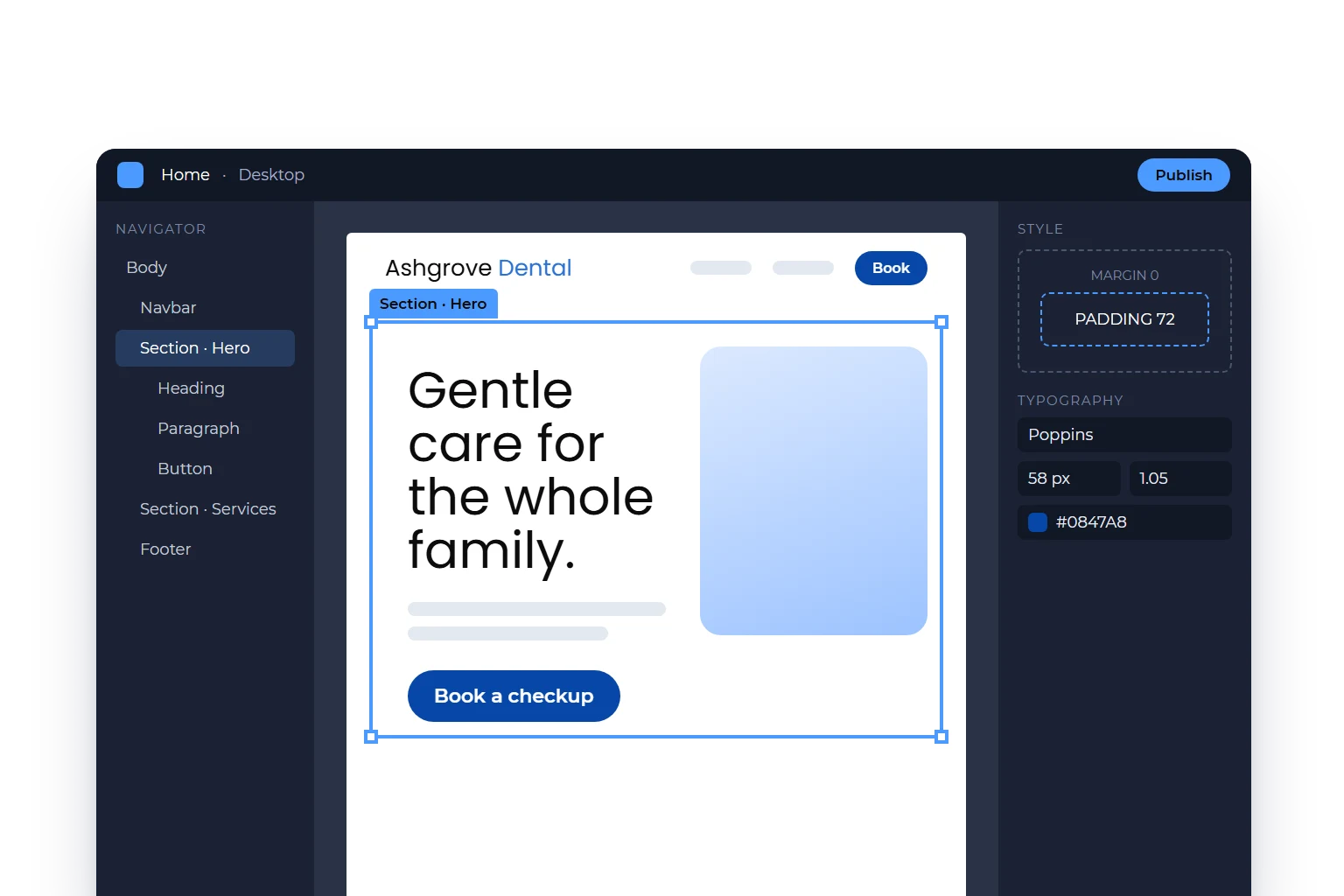
Your systems stay
Integration work, not migration work. The systems that already do their job keep doing it.
The idea
Calling an API is an afternoon. The work is everything around it: getting the right context to the model, handling the times it is wrong, keeping the cost predictable, and putting the result somewhere a person was already looking. That is where an integration succeeds or quietly gets switched off.
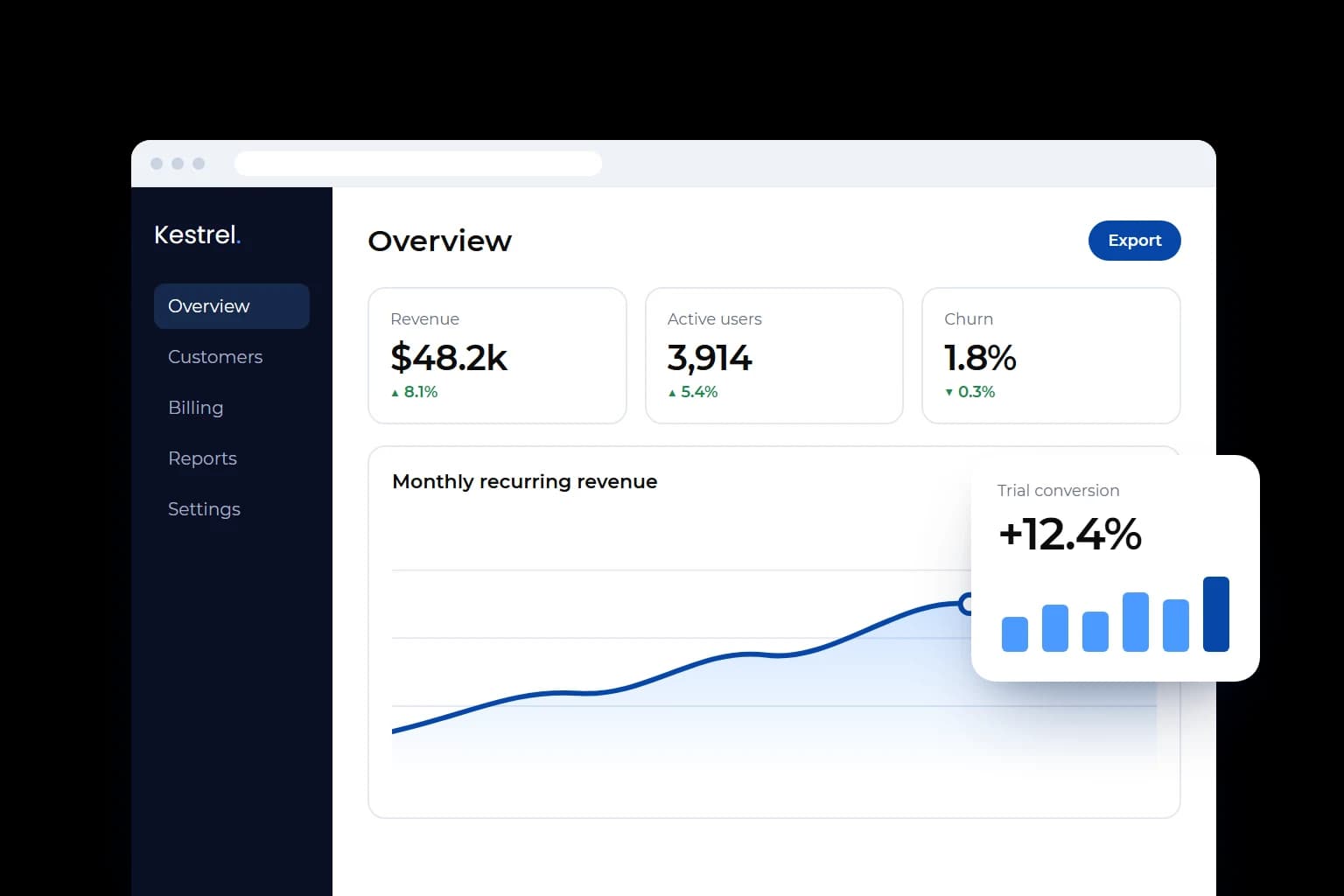
What we build
Features, not platforms. Each of these goes into software you already have.
Summaries, drafting, classification, semantic search — built into your own application so your users get them where they already work.
Retrieval over your documents, tickets or catalogue that answers the question asked rather than matching the words in it, with citations back to the source.
Drafted replies, auto-summarised threads and suggested next actions inside the tools your team already has open all day.
PDFs, emails, call transcripts and scanned forms turned into structured fields your existing systems can actually query.
A clean internal endpoint your other systems can call, so the AI capability is shared rather than rebuilt in three places by three teams.
Tests for the outputs that matter, limits on what the feature may do, and monitoring that tells you when quality drifts rather than leaving you to hear it from a customer.
How the work runs
Each one ends with something you can look at and a decision you can make.
Where a model genuinely helps, and — just as important — where it does not. Some of what gets asked for is better served by a query.
The smallest working version against your real data, so the question 'is this good enough' is answered by looking rather than arguing.
Error handling, cost controls, rate limits, evaluation and the security review. This is the part that decides whether it survives contact with production.
Into the product or tool properly, with monitoring on quality and spend, and a switch to turn it off without taking anything else down.
Built with
We keep the model behind an interface of your own, so changing provider later is a configuration change rather than a rebuild.
Models
Retrieval
Integration
Around it
Questions
No, and we would usually argue against it. This is integration work: the CRM, POS or platform that already does its job keeps doing it, and the AI capability is added alongside.
It depends on the task, the latency you need and what you are willing to spend. We benchmark on your actual data rather than on a leaderboard, and we build so the choice can be changed later.
Wherever you decide, and it is a decision we put in front of you rather than make quietly. Provider APIs, a private deployment, or an open-weight model on infrastructure you control — each has a different cost and privacy profile.
Grounding and scope. The model answers from retrieved source material rather than memory, cites where it came from, and the feature is built so an uncertain answer is visible as one instead of being presented as fact.
Modelled before launch from real usage patterns, with caching and rate limits built in. A feature whose running cost is unknown is not finished, and we would rather find the number in a spreadsheet than on an invoice.
Yes, and it is a good way to run this work. We build the first integration properly alongside your team so the patterns — and the reasons behind them — stay with you afterwards.
Have questions?
Partner with Elevait Global Solutions for trusted digital services and payment solutions that help your business grow, increase efficiency, and boost sales.