Systems that talk to each other
The order in one system becomes the record in another without a person in the middle copying fields and occasionally mistyping a number.
Business Automation
Every business runs on a few processes nobody chose — a spreadsheet copied into a system, a report rebuilt by hand each Monday, an email that always triggers the same four actions. We find them, automate the parts that should be, and leave the judgement where it belongs.
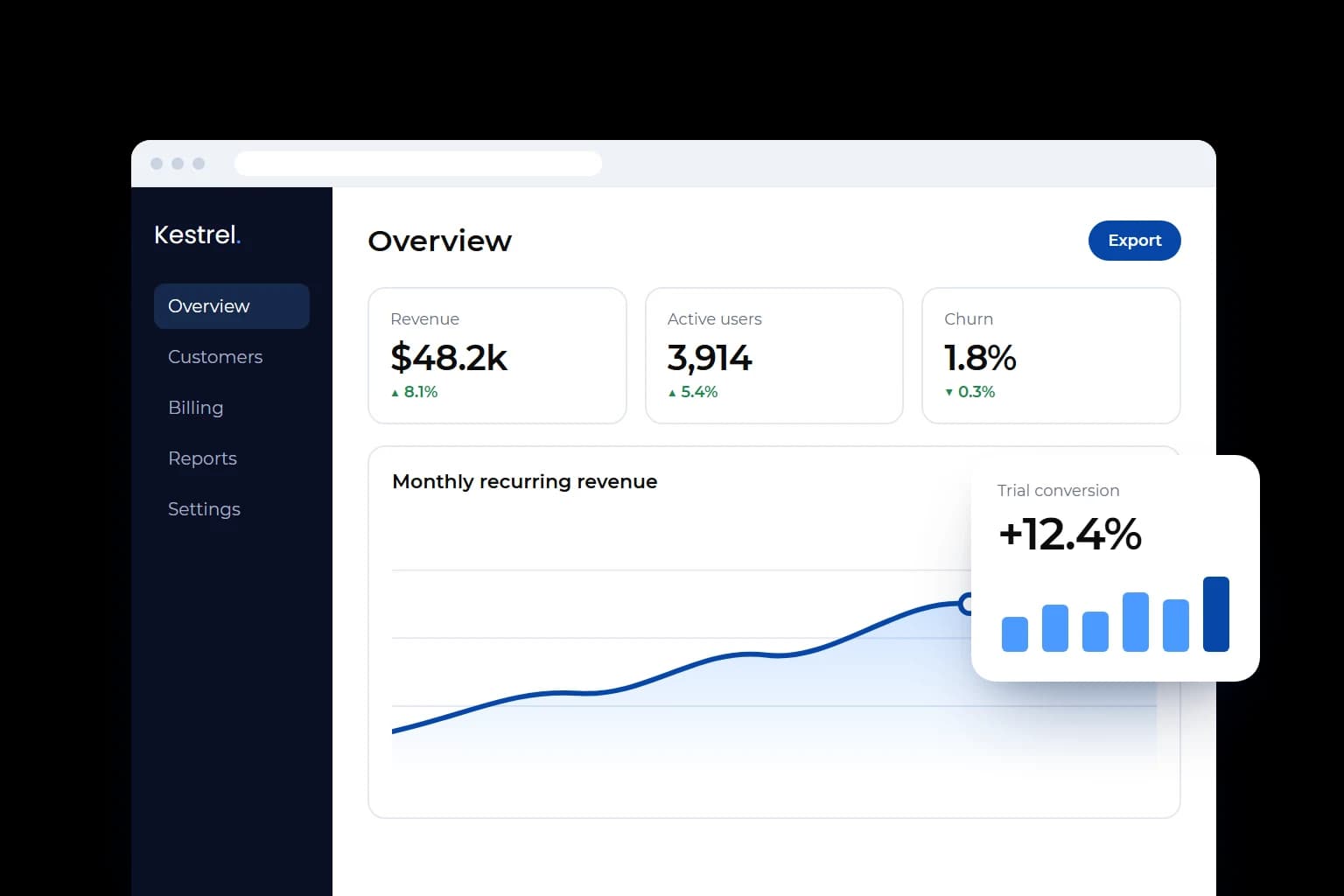
Measured, not guessed
We count the manual steps before and after. If a process does not get shorter, it was not worth automating.
The idea
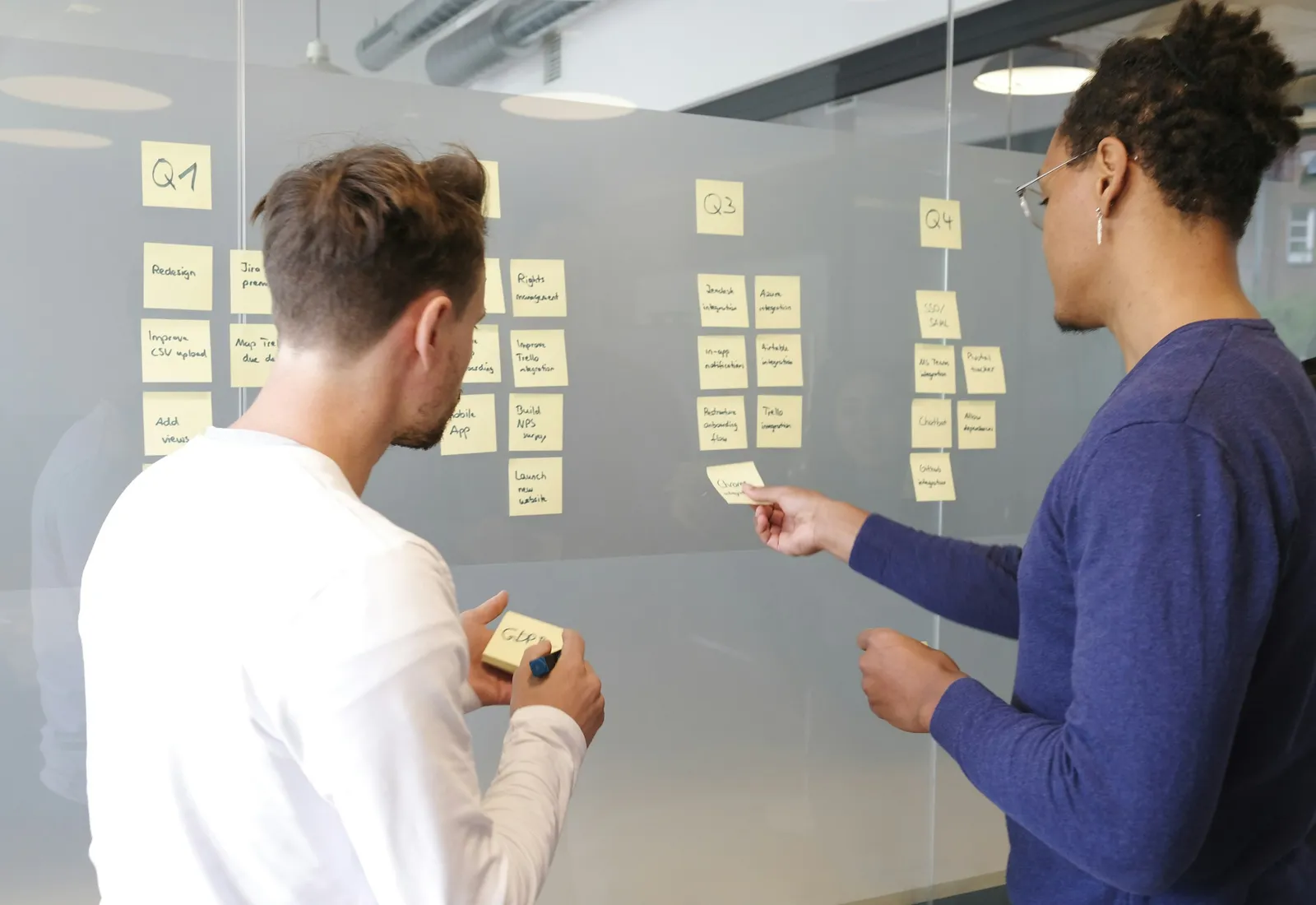
Automation fails when it is built from how the work is supposed to happen. The real process has exceptions, workarounds and one person who knows why step four exists. We start by watching what actually happens, because that is what has to keep working on Monday.
What we build
Different businesses, same handful of time sinks. These are the ones that pay for themselves quickest.
The order in one system becomes the record in another without a person in the middle copying fields and occasionally mistyping a number.
Invoices, forms and statements read automatically, the figures extracted and checked, and only the ones that fail a check put in front of a person.
Requests routed to whoever should see them, chased when they sit unanswered, and escalated on a rule rather than on whoever remembers.
The weekly report assembled from the source systems on a schedule, in the same format, without anybody's Monday morning going into it.
Onboarding sequences, renewal reminders, dormant-customer win-backs — triggered by what the customer does rather than by somebody noticing.
Daily takings against the system, stock against sales, two lists that should match compared automatically with the differences flagged.
How the work runs
Each one ends with something you can look at and a decision you can make.
We follow the process as it is actually done, count the steps and the handoffs, and write down where the time goes.
Not everything should be automated. We agree what is worth doing, in what order, and what is deliberately being left alone.
The automation, plus the exception path — what happens when the input is wrong, the system is down or the case is unusual.
Your team learns to run it, change it and turn it off. Documentation that assumes the reader was not in the project.
Built with
Some of this is code and some of it is configuration. The right answer depends on what you already run and who will maintain it.
Integration
Documents
Runtime
Around it
Questions
With whatever your team complains about most. That is usually both the most repetitive and the best understood, which makes it the safest first project and the easiest to prove.
That is your decision, not a consequence of the work. In most of the businesses we work with the same people stay and stop doing the part of the job they liked least — the copying, the chasing, the rebuilding of the same report.
Every automation we build has a manual path and an alert. If the integration fails at 3am, somebody is told and the work can still be done by hand until it is fixed.
Often not. A lot of the highest-value automation is ordinary integration work with no model involved. We use AI where the input is messy or unstructured — reading documents, classifying requests — and plain code everywhere else, because it is cheaper and more predictable.
Usually, though the method varies. A modern API is easy; an older system might need a scheduled export or a database-level integration. We will tell you which case you are in before the work is scoped.
We count the manual steps and the time before, and again after. Agreed up front, so the answer at the end is a measurement rather than an opinion.
Have questions?
Partner with Elevait Global Solutions for trusted digital services and payment solutions that help your business grow, increase efficiency, and boost sales.